Skip to content

Mosquitoes pest control service in Delhi NCR

Welcome to our Mosquitoes Pest Control Service in Delhi NCR. We are dedicated to providing effective and safe mosquito control solutions to protect your family and home from these disease-carrying pests. Our experienced technicians employ state-of-the-art methods to reduce mosquito populations and create a more comfortable living environment for you.

Our Company

We Are Available For 7 Days For Pest Control Service

Safety and Environmental Concerns: At  NOPC Mosquitoes Pest Control Service, safety is our top priority. We use products approved by relevant authorities and follow strict safety guidelines to protect you, your family, and pets. Additionally, we take environmental concerns seriously and are committed to using eco-friendly solutions whenever possible.

Customer Satisfaction: We are dedicated to ensuring your satisfaction. Our team of professionals strives to deliver prompt, reliable, and efficient services, leaving you with a mosquito-free environment to enjoy.

Eliminate All unwanted Insect now

Why do we Need Mosquitoes pest control service in Delhi NCR?

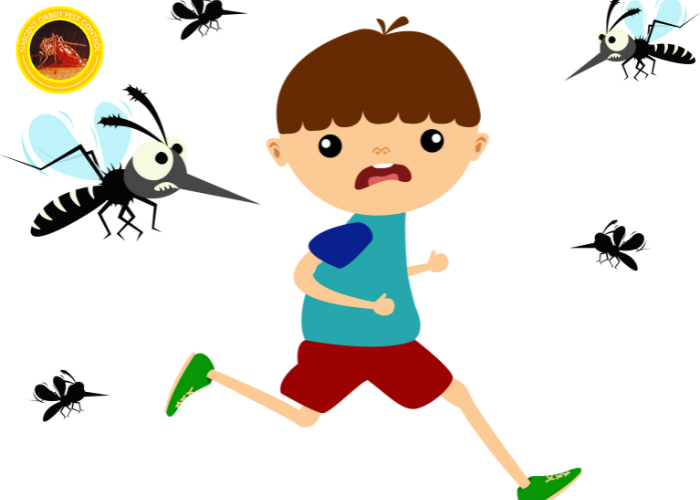
Booking mosquito control services in New Delhi is of paramount importance for safeguarding public health and personal well-being. With its tropical climate and dense urban population, the city becomes a hotbed for mosquito breeding, posing a significant risk of mosquito-borne diseases such as dengue, malaria, chikungunya, and Zika virus.

 By NOPC professional mosquito control services, individuals can ensure the effective management of mosquito populations, reducing the chances of disease outbreaks and mitigating the discomfort caused by mosquito bites.

 Expert technicians employ environmentally friendly methods, guaranteeing the safety of beneficial insects and wildlife while efficiently controlling mosquitoes. This proactive approach not only brings peace of mind but also leads to long-term cost savings by preventing potential medical expenses associated with mosquito-related illnesses. Ultimately, booking mosquito control services in New Delhi is a responsible choice that fosters a healthier and more comfortable living environment for all residents.

Providing Best Mosquito Control In Delhi & Mosquito Treatment In Delhi

How to prevent Mosquitoes? 

Eliminate standing water: Mosquitoes breed in stagnant water, so regularly inspect your surroundings and remove any standing water. Empty and clean flower pots, bird baths, gutters, and containers that collect rainwater. Cover or overturn items that can hold water, such as buckets and unused tires.

Install window and door screens: Ensure that windows and doors have properly fitted screens with no gaps or holes to prevent mosquitoes from entering your home or workplace.

Use mosquito repellents: Apply mosquito repellents containing DEET, picaridin, or oil of lemon eucalyptus to exposed skin when outdoors. These repellents help keep mosquitoes at bay and reduce the risk of mosquito bites.

Method for Eliminating Mosquitoes: Fogging Treatment and Spray Method:-

Fogging Treatment

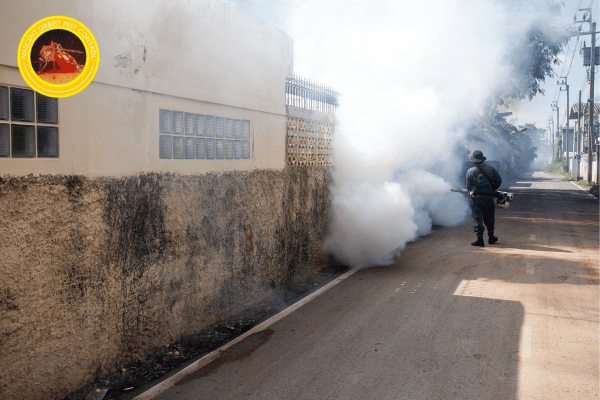
Mosquito Fogging is mandatory in every living environment to get rid of mosquitoes. Especially in residential apartments and colonies where our loved ones and kids play. Mosquito Fogging helps in controlling outdoor mosquitoes, insects and other such pests.

Spray Treatment

Mosquito control services providers promise a lot but do not prove to be up to mark. They might be chemically complex and might end up harming the inhabitants of a house more than benefitting them. 

Mosquitoes Treatment method use in Delhi NCR 

Mosquito control and treatment in Delhi involve a combination of preventive measures and targeted strategies to manage mosquito populations. Given the tropical climate and high population density, effective mosquito control is crucial to prevent the spread of mosquito-borne diseases. Here are some common methods used for mosquito control in Delhi:

  1. Source Reduction: One of the most important steps in mosquito control is eliminating breeding sites. Public health authorities and residents need to regularly inspect and remove standing water in and around homes, construction sites, parks, and other public areas. This includes emptying containers, covering water storage tanks, and properly maintaining drains and gutters.

  2. Larviciding: Larvicides are insecticides specifically designed to target mosquito larvae. These treatments are applied to known breeding sites or areas prone to standing water, such as stagnant ponds, ditches, and open drains. Larviciding can effectively reduce the number of adult mosquitoes by preventing their development from larvae to pupae and adults.

  3. Fogging or Thermal Fogging: Fogging is a common method used for adult mosquito control in Delhi. It involves the use of specialized machines that disperse insecticides in the form of fine droplets. Fogging is typically conducted during the early morning or late evening when mosquitoes are most active. It helps in reducing adult mosquito populations and provides temporary relief from mosquito bites.

  4. Source Management and Awareness: Public awareness campaigns play a significant role in mosquito control. Educating residents about the importance of source reduction, proper waste disposal, and maintaining clean environments can encourage individual responsibility in mosquito control efforts.

  5. Use of Biological Control: Introducing natural mosquito predators, such as certain species of fish or dragonflies, can be a sustainable method for mosquito control. These predators feed on mosquito larvae, thereby reducing their numbers in water bodies.

  6. Insecticide-Treated Bed Nets: Promoting the use of insecticide-treated bed nets, especially in areas with high mosquito activity, helps protect individuals from mosquito bites during sleep and reduces the risk of mosquito-borne diseases like malaria.

  7. Environmental Monitoring: Regular monitoring of mosquito populations, breeding sites, and disease prevalence is essential for effective mosquito control planning and implementation. This allows authorities to focus resources on areas with the highest risk and tailor control strategies accordingly.

It is crucial to implement a comprehensive integrated pest management (IPM) approach, combining multiple control methods, and involving government authorities, community participation, and pest control professionals. IPM helps achieve sustainable and long-term mosquito control results while minimizing environmental impact and promoting public health in Delhi.
 

Most Demanded Product in Fogging is Smoke Bomb:-

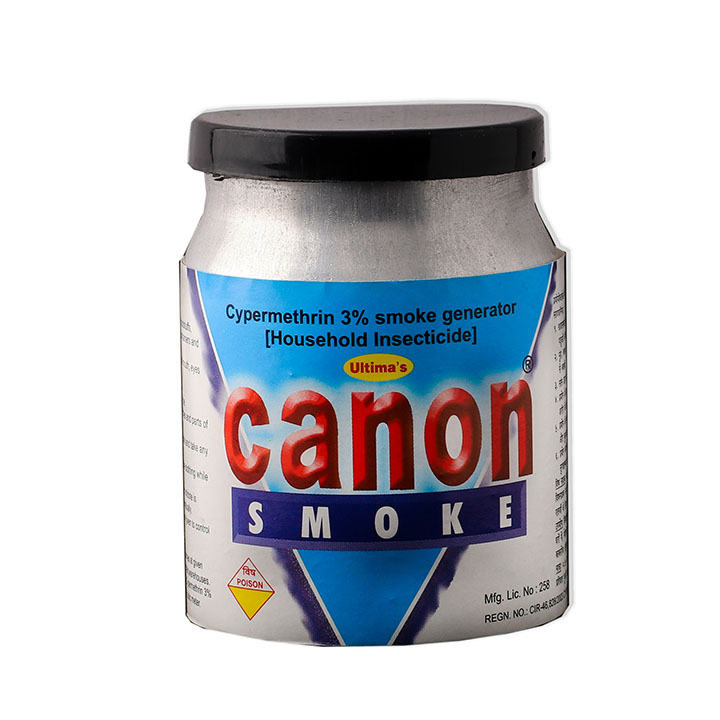
Canon

  • rightSelf-contained smoke based pesticide applicator

  • rightEffective on All type of insects in an enclosed Environment
  • rightZero inconvenience and no need to remove furniture and other fixtures
  • rightEasily spreads to all corners of the room

Mini Smoke Machine for Pest Control :- 

Smoke machines, also known as thermal foggers, are commonly used in pest control for specific purposes. Here are five points highlighting the uses of smoke machines for pest control:Mini Fogging Machine With Cylinders & Chemical solution

  1. Insecticide Dispersion: Smoke machines are used to disperse insecticides in the form of fine particles or droplets. When the fog is created, it carries the insecticide through the air, reaching difficult-to-access areas such as dense foliage, cracks, and crevices, where pests like mosquitoes, flies, and other flying insects often hide or breed.

  2. Mosquito Control: Smoke machines are particularly effective for mosquito control. The fog created by the smoke machine allows insecticides to stay airborne longer, increasing their contact with flying mosquitoes. This method is commonly used in outdoor spaces, like parks and gardens, to reduce mosquito populations and the risk of mosquito-borne diseases.

  3. Pest Infestation Treatment: Smoke machines are useful for controlling various pests, such as cockroaches, ants, and fleas, especially in enclosed spaces. The fog can penetrate into areas where pests may be hiding, like wall voids, attics, and crawl spaces, effectively targeting and eliminating the infestation.

  4. Quick Application: Smoke machines allow for efficient and rapid application of insecticides. Pest control professionals can cover large areas or multiple locations swiftly, making them a practical choice for large-scale pest control operations or when dealing with time-sensitive infestations.

  5. Reduced Residue: Compared to traditional spraying methods, thermal fogging produces a minimal amount of residue. This can be advantageous in situations where residue might be a concern, such as sensitive environments like food processing facilities, hospitals, or residential areas.

It’s important to note that while smoke machines can be effective for certain pest control applications, their use should be carried out by trained professionals who are knowledgeable about the specific pest species, the appropriate insecticides to use, and the safety measures to protect human health and the environment. Additionally, smoke machines are most effective when used in conjunction with integrated pest management (IPM) strategies, which focus on prevention, monitoring, and a combination of control methods for long-term pest management.

Fogging Pest control service

Mosquitoes treatment

  1. Assessment and Planning: Before starting the fogging treatment, conduct a thorough assessment of the mosquito-infested area to identify breeding sites and mosquito hotspots. Plan the fogging schedule, considering factors like time of day (typically early morning or late evening) when mosquitoes are most active.

  2. Safety Precautions: Ensure the safety of the environment and residents by evacuating people, pets, and covering food items and water sources. Inform neighboring properties about the fogging activity to avoid unnecessary exposure.

  3. Choose Suitable Insecticides: Select appropriate mosquito-specific insecticides recommended by local health authorities or pest control experts. The chosen insecticide should be effective against adult mosquitoes and have minimal impact on non-target species.

  4. Proper Equipment and Application: Utilize professional-grade fogging machines that create fine droplets to cover large areas effectively. Ensure the equipment is well-maintained and calibrated for optimal dispersion. Skilled technicians should conduct the fogging, wearing appropriate personal protective equipment (PPE).

  5. Fogging Process: Apply the insecticide fog in a sweeping motion, covering the entire target area, including shrubs, bushes, and other mosquito resting spots. Pay special attention to areas with standing water or places that provide cool and dark environments where mosquitoes tend to rest.

Spray Treatment for Mosquitoes :-

  1. Inspection and Targeting: Inspect the premises to identify mosquito breeding sites and resting areas. Target areas with stagnant water, flower pots, gutters, and any other potential mosquito habitats.

  2. Select the Right Insecticides: We use suitable mosquito control insecticides in liquid spray form. These should be safe for indoor use (if applicable) and have low toxicity to humans and pets.

  3. Protective Measures: Prioritize safety by ensuring that people and pets are not exposed to the spray during the application. Close doors and windows if spraying indoors and avoid direct contact with the insecticide.

  4. Application: Use handheld or backpack sprayers for precise application of the insecticide. Spray it directly on mosquito breeding sites and resting areas. Focus on places near water sources, shaded areas, and walls where mosquitoes often rest.

  5. Follow-Up and Monitoring: Regularly monitor the treated area for mosquito activity. Conduct follow-up treatments as needed to ensure effective mosquito control. Implement preventive measures to eliminate standing water and prevent future mosquito breeding.

Note: Both fogging treatment and spray method should be carried out by trained professionals. It’s essential to follow local regulations and guidelines for mosquito control to ensure effective and safe results while minimizing environmental impact. Integrated pest management (IPM) practices that combine multiple control methods are often more effective in achieving long-term mosquito control.

call us !!