Mosquito control and treatment in Delhi involve a combination of preventive measures and targeted strategies to manage mosquito populations. Given the tropical climate and high population density, effective mosquito control is crucial to prevent the spread of mosquito-borne diseases. Here are some common methods used for mosquito control in Delhi:
Source Reduction: One of the most important steps in mosquito control is eliminating breeding sites. Public health authorities and residents need to regularly inspect and remove standing water in and around homes, construction sites, parks, and other public areas. This includes emptying containers, covering water storage tanks, and properly maintaining drains and gutters.
Larviciding: Larvicides are insecticides specifically designed to target mosquito larvae. These treatments are applied to known breeding sites or areas prone to standing water, such as stagnant ponds, ditches, and open drains. Larviciding can effectively reduce the number of adult mosquitoes by preventing their development from larvae to pupae and adults.
Fogging or Thermal Fogging: Fogging is a common method used for adult mosquito control in Delhi. It involves the use of specialized machines that disperse insecticides in the form of fine droplets. Fogging is typically conducted during the early morning or late evening when mosquitoes are most active. It helps in reducing adult mosquito populations and provides temporary relief from mosquito bites.
Source Management and Awareness: Public awareness campaigns play a significant role in mosquito control. Educating residents about the importance of source reduction, proper waste disposal, and maintaining clean environments can encourage individual responsibility in mosquito control efforts.
Use of Biological Control: Introducing natural mosquito predators, such as certain species of fish or dragonflies, can be a sustainable method for mosquito control. These predators feed on mosquito larvae, thereby reducing their numbers in water bodies.
Insecticide-Treated Bed Nets: Promoting the use of insecticide-treated bed nets, especially in areas with high mosquito activity, helps protect individuals from mosquito bites during sleep and reduces the risk of mosquito-borne diseases like malaria.
Environmental Monitoring: Regular monitoring of mosquito populations, breeding sites, and disease prevalence is essential for effective mosquito control planning and implementation. This allows authorities to focus resources on areas with the highest risk and tailor control strategies accordingly.
It is crucial to implement a comprehensive integrated pest management (IPM) approach, combining multiple control methods, and involving government authorities, community participation, and pest control professionals. IPM helps achieve sustainable and long-term mosquito control results while minimizing environmental impact and promoting public health in Delhi.

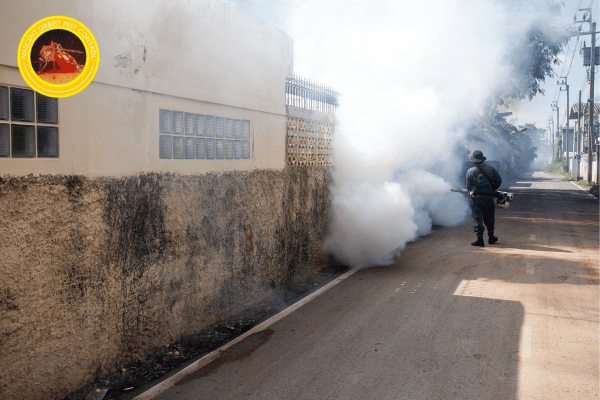


 Self-contained smoke based pesticide applicator